
|
Analyze TLS configurations for hybrid Post-Quantum Cryptography support.
Why is PQC Needed?
The advent of large-scale quantum computers poses a fundamental threat to the encryption systems that protect the modern internet.
Quantum Supremacy
Shor's algorithm allows quantum computers to efficiently factor large integers, breaking RSA and Elliptic Curve cryptography that secures 99% of today's web traffic.
Harvest Now, Decrypt Later
Adversaries are currently capturing encrypted data packets and storing them, waiting for future quantum computers to decrypt them and expose sensitive long-term secrets.
NIST Standardization
Global standards bodies like NIST have already finalized PQC algorithms. Organizations must transition to hybrid-PQC models now to ensure long-term data durability.
The HNDL Threat Simulator
Toggle below to visualize how eavesdroppers harvest classical connections today to decrypt them using quantum computing tomorrow.
Adversary Storage Warehouse
Inactive. Start connection to capture data packets.
System initialized. Choose a connection type above to begin simulation.
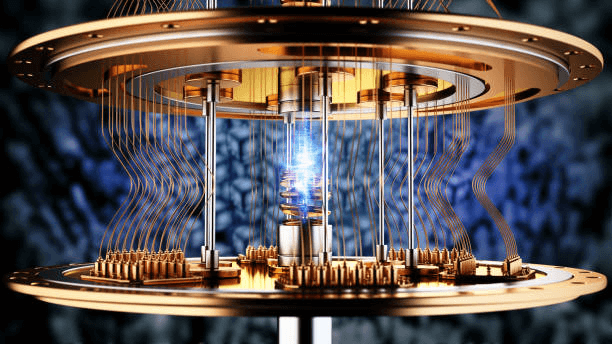
The Road to Y2Q
Post-Quantum Cryptography is not a future-proofing luxury—it is an urgent operational requirement to defend against immediate risks.
Harvest Now, Decrypt Later
The SNDL/HNDL Threat Vector
Any encrypted document, financial transaction, or intelligence communication sent over the public internet today is vulnerable. Eavesdroppers capture and store large volumes of classical TLS traffic. While safe from current computers, these long-term secrets will be fully decrypted retroactively the moment a quantum computer is online.
If your data needs to remain secret for 5+ years, classical encryption is already unsafe.
NIST Post-Quantum Standards
Explore the math and parameters powering the secure algorithms finalized to replace RSA and Elliptic Curve encryption.
ML-KEM Deep-Dive
Key Encapsulation (General Encryption)
Module Lattice-Based
Module Learning with Errors (M-LWE)
Web browsers, TLS Handshakes, VPN tunnels, Secure messaging.
Extremely Fast (10x faster key generation than RSA)
- • Industry-leading speed
- • Relatively small public keys
- • Well-suited for active packet exchange
- • Larger network packet footprints than classical ECC curves like Curve25519
Finalized - FIPS 203 Standard
ML-KEM-768: 1,184 Bytes (vs RSA-3072: 384 Bytes)
Public Key: 1,184 B | Ciphertext: 1,088 B
Equivalent to AES-192/256 quantum-strength. Provides excellent safety profiles under worst-case lattice reduction models.
Quantum Readiness Audit
Track your organization\'s preparedness. Select the milestones your engineering team has completed to receive your PQC security rating.
Scan & Audit Public Endpoints (Domain Check)
CriticalIdentify external-facing TLS handshakes, APIs, CDN configurations, and public certificates that still rely entirely on classical ECDHE or RSA key exchanges.
Inventory Internal Crypto Assets & Libraries
RequiredDocument internal microservice communication libraries, Databases, Hardware Security Modules (HSMs), and Certificate Authorities that hardcode RSA/ECDSA.
Deploy Hybrid PQC Exchange in Staging
RecommendedSet up staging environments utilizing hybrid standards (e.g. X25519 + ML-KEM) to test client compatibility, latency, and packet fragmentation resilience.
Production Migration & Compliance Transition
RequiredRoll out FIPS-compliant ML-KEM algorithms to production environments, deprecating legacy classical algorithms according to compliance standard schedules.
Audit Results
Vulnerable State
No quantum precautions detected. Immediate action recommended.
*FIPS deadlines recommend standard hybrid key exchange implementation by late 2026.